Sunday, February 19, 2012

Morrocan Olives

This is one of those recipes that is made to be shared.  I first had it as a table snack during a class as Pantry at Delancey.  When I got home I had to e-mail to ask "how did you do that?"  Today I hosted a very special party for a very special occasion: to celebrate the first grandchild in our group.  To welcome the beautiful Kesler, my dear friend Nancy's grandson.  I put a bowl of these out.  Didn't say anyting just curiously watched the reaction.  And it was good.


These look like just regular olives.  But they have such a wonderful, unique taste.  "Apple pie"  "Pear pie" they said.  The olives are flavored with lemon, cinnamon and fennel seed.  Try them.  You will like them.  And you will be asked for the recipe, I guarantee it.

When I asked Delancey's they said "we have no recipe, but this is how it's done."  There were no amounts, just ingredients and process.  So this is how I will pass it along to you as well.


First, pick the right kind of olives.  Get good Sicilian olives.  Big, plump, spring colored green ones.  Ask for a tasting.  You want the mildest, butteriest ones.  I buy mine at PFI in Seattle, near the Kingdome.  If you don't know of this place find it.  All the great chefs shop for bulk goods at this small, unassuming, warehouse.  Bring your own containers so you can get the brine with the olives.  They have at least 20 kinds to choose from.  I forget which kind these were but ask to taste the Sicilian greens.  This is the mild, buttery one.  You'll know it when you taste it.  At PFI you can only buy by the pound.  But since you bring with the brine they will last for a long time.  And who doesn't want a good container of olives in the fridge.  (By the way, PFI has the most beautiful cheese selection, but you also have to buy by the pound as well.  I also buy all my spices, bulk, and flours, pulses, rice, etc. at PFI.  Best deal in town.  Oh, they have an amazing selection of sea salts as well.  And olive oil and vinegars.  Just go there.  Mapquest it.  It's hidden at the bottom of that brick building Mapquest takes you to. )

  • Good quality Sicilian olives
  • 1 Meyer lemon
  • 3-5 cinnamon sticks
  • 1 Tablespoon fennel seeds
  • Good quality olive oil (Trader Joe's works fine for this)
Pour olive oil in a sauce pan  You will want just enough to cover the olives.  Crack the cinnamon sticks (leaving them more or less whole but broken to release the flavor) and put in oil along with the fennel seeds.  Slice the lemon and throw in (skin, seeds and all). 


Heat the oil to hot but not boiling.  Let it heat and infuse for about five minutes.  Then add the olives.  Leave on the heat for another ten or fifteen minutes, hot, but not boiling.  The lemon will decompose from the inside out, leaving large pieces of skin.  Remove from heat and let cool down.  Put in air tight container.  When serving use slotted spoon to dish out of the oil (but reserve in the airtight container so you can return any unused ones for enjoying later.  Put some of the lemon and cinnamon in the dish as well (it's so pretty).  Store in refrigerator with the infused oil and lemons and cinnamon. 


Collect everyone's email addresses, or friend them on FB.  They will want the recipe.  Really.  Trust me. 

Thursday, February 9, 2012

Big Things Happen in Small Places


His enthusiasm is infectious.  The twenty some faces around the conference table at Swedish’s Ben and Catherine Ivy Center for Advanced Brain Tumor Treatment, focused on Dr. Greg Foltz, tracking every word this talented neurosurgeon and leading research scientist shared as he brought us on his journey to cure brain cancer.  He began by asking how many of us knew someone who had or has brain cancer.  Every hand went up.   Some, like me, may have a friend currently in her battle for time against this (currently) unstoppable killer.  Others, like my dear friend who was not there, the trauma still too close at hand to expose herself, may have lost a precious child to its insidious onslaught.  At the table were my friends Sharon and Brian whose son is currently in its grip, now nearing his fourth year in battle for more time against this always unbeatable foe.  The hit rate of those at the table who knew someone in a battle with brain cancer was 100%.  Yet, as Dr. Foltz explained, there are only about 20,000 new cases yearly diagnosed in the US.  And this has been the biggest part of the problem.  When you know so many people touched personally by it, 20,000 seems a big enough problem.  But, in the world of cancer, or other major medical problems, that’s not enough to warrant the research dollars or motivate major pharmaceutical companies to find a cure.  Thankfully, it’s enough to warrant the dedication of Dr. Foltz, and a handful of other doctors and scientists at other centers around the country, towards finding the cause and finding a cure (actually cures) so that someday he can tell a patient “here’s how we can save your life.” 

On this day, our group is privileged to receive an approximately hour-and-a-half tour of the Ivy Center and labs.  Dr. Foltz, after a full day, including doing surgery on a patient, meeting with patients and conducting research in the lab conducts the whole thing.  He starts with a presentation on the history of brain cancer treatment and research in the conference room.  This is followed by a walk through the Ivy Center with a discussion about Ben and Catherine Ivy and the services the Center offers.  Then we are walked through the back side of the center (it is after hours) and into the small labs where exciting things in the advancement of treatment are happening.  Here is what we learned and saw.

Just four years ago the only thing to tell patients receiving the diagnosis of glioblastoma, the most common – and aggressive - form of brain cancer, was that they needed to prepare for a short battle, for which they would have only a dismal arsenal of weapons to defend themselves and against which they would surely lose.  Probably six months would be the longest they could hope for, and only if they had found the enemy early.  Now, with advances in surgery and radiation and chemotherapy, some patients are sharing up to four more years with their families. There are even a few five-year survivors now.  And finally it looks like soon a newly diagnosed patient may hear these words “this is what we can do to likely save your life.”

Not only are Dr. Foltz and his peers hopeful that there will soon be ultimate winners in this battle, but that that they can greatly increase the quality of life for these troops during battle.  They’ll do this by identifying specific protocol for each patient, depending on their particular cancer’s genetic markers, so that harsh side effects from treatment are reduced or eliminated.  

 In the fascinating presentation Dr. Foltz compared the progress in finding a cure for glioblastoma which, until now, has been labeled as “incurable” to “consumption” at the turn of the Century, or more recently, leukemia: both of which were also once labeled incurable.  Consumption is something nobody worries about, yet at one time it wiped out a third of the European population.  When I was a little girl I remember hearing of other children getting leukemia and knowing that it was fatal.  Yet today it’s almost a relief if a cancer is diagnosed as leukemia because it is known as curable.  Soon, it is hoped, a glioblastoma diagnosis will be equally curable as leukemia.  And maybe one day, like consumption, no longer even something anyone has to deal with. 

The presentation included an overview on progress in identifying genetic markers for specific cancer cells, and a fascinating discussion on why pharmaceutical companies are not focusing on identifying a cure (basically too few patients mean too little profit).  Dr. Foltz and his colleagues have found ways to use research focused on other problems to solve this one. His story included a tale of a mouse that has been “invented” that has no immune properties of its own so they can “infect” mice with a patient’s specific cancer cells (removed during tumor surgery then grown in a lab) and then test the impact of various drugs and dosages on that cancer so as to determine a specific approach for that patient. 

Rather than focus on creating a new cure, they are finding that drugs already developed to help patients with other seemingly unrelated problems, like depression, seem to carry some key to confronting glioblastoma.  Dr. Foltz had a wonderful way of presenting this highly scientific focused subject matter at a level that was not only easy to follow but also interesting.  He explained a major focus of his approach to find a cure was like something many of us experience with shopping on “Amazon.com.”  The analogy is tied to the phenomenon whereby just one interaction on the site provides enough information to be compared with the millions of other shoppers and their purchasing history that by the time you go to the checkout screen, the website can recommend dozens of other items that you are likely to also be interested in.  This analogy emphasizes how important tissue data banks coupled with a history of the response to different types of treatment will increase the chances of finding the best approach to tackling a patient’s particular cancer. 

Then we were taken on a tour of the labs where all this groundbreaking work is going on. Although it was after hours and the lab workers were gone, in this surprisingly small space, the machines were working on: sorting out genetic markers; growing cancer cells in vials that could be harvested later to test treatments; and infusing cells with cancer fighting agents in order to create vaccines. 


While much of the presentation and tour included the simplified explanation of scientific approach, Dr. Foltz also emphasized how important the individual’s experience is.  How huge the impact to family is.  How important it is to involve the larger community as well.  I admired his openness to working closely with the patient and their family in doing what is right in their own situation regardless of what trials may be currently de-rigueur.  How quality of life is important while the scientific battle often focuses more on extending the quantity of life.  The Ivy Center provides support to the patient and family in dealing with the impacts to their lives, while the scientists and doctors deal more directly with the cancer itself. 

In addition, the Ivy Center was carefully planned to encompass patients’ needs, beginning with the Center’s lobby design. It contains many alcoves and partial walls to allow families privacy and community while waiting and then receiving news from surgeons.  The exam and treatment rooms include seating spaces for supporting family members, rather than relegating them to standing in the corner as other places oft do. 

Dr. Foltz believes that the cure for many cases of brain cancer is likely to already be in existence, or similar to something that is, and may be very close.  While a new lab will be opened soon at the Ivy Center, Dr. Foltz and his team are not waiting.  They are doing remarkable things with the equipment they have, coordinating with other research centers, and giving hope to the families and friends of brain cancer patients.
-------------------------------------
Note: I first visited the Ivy Center in 2009.  Here is a link to that post.  Amazing to see all that has happened since then.

Tuesday, February 7, 2012

Marmalade Simplified


It’s another hot summer Saturday in the house of my youth.  The house is extra hot as Mom is in the kitchen fussing over a large tall pot, steaming, with cans in it.  She is working on a batch of disgusting, slimy purple beets.  Mother is also purple and slimy.  With sweat.  There’s a banging at the back door, just around the corner from the hot kitchen.  I’m standing at the corner and see it is my father kicking at the metal screen door; his hands too burdened to knock civilly, or better yet, let himself in.  In his arms is an overflowing bounty from his fertile garden: cabbage, tomatoes, broccoli and, unfortunately, more beets.  My father is beaming, as if he has just taken a blue ribbon from the garden judges at our county fair.  From my vantage point I can see my mother still in the kitchen.  At the sound of my father’s assault on the screen door I see her straighten up from her wilted position, wipe her sweaty hands on her beet blood stained apron and mop her sweating brow with the moist skin of her forearm.  I’m confused by the look on her face.  Near to tears, she heads toward the back door to receive this delivery from my father.  As she passes by me, she looks me straight in the eye with that look that often meant “you are in big trouble, Jennifer.”  But instead, under her breath, and just under my dad’s radar, without moving her lips, she says very clearly to me “Don’t you ever learn how to can.”

I didn’t always follow my mother’s instructions.  Usually that didn’t turn out too well for me.  But the canning ignorance I embraced.  I do love to do so many things in the kitchen and am usually open to try new things.  But canning is one thing I have stayed away from because of the memory described above.  While I’ve loved taking all kinds of cooking classes, I never expected to find myself in a cooking class focused on producing anything canned.  But last fall, in the sandbox of Abu Dhabi, at night I daydreamed of what I would do when I returned to the states.  And when I found the list of classes available at the Pantry at Delancey, I had to focus on the few classes that still indicated they had openings.  The Marmalade Class had an intriguing write up, and an opening, and so I signed up without much thought to my aversion to canning. 


 So on Saturday I drove myself to the Pantry at Delancey and joined about a dozen other women for a two hour session with Rachel Saunders of Blue Chair Fruit Company in Oakland.  The session was more a demo than hands on class, though, because of the small class size we could gather round the activity at the table and stove top to clearly see and understand the process.  Rachel was far from the sweaty, harried canner that was my mother in the hot kitchen.  Tiny and polished, she shared her enthusiasm for the craft of making delicious spreads from fresh fruit.  While she has easier access to a variety of citrus fruits used in making marmalade, her instructions were universal.  Mostly they took the mystery and fuss out of creating delicious marmalades. 


Turns out the process, while not too complicated, typically takes a three day process.  The time is required for soaking the fruit in order to release the naturally occurring pectin which causes the cooked down fruit to thicken up.  The process differs based on the selected fruit and its specific properties: skin porousness, bitterness or firmness.


Marmalade contains two separate fruit components.  The primary flavor comes from the fruit used for the chunkiness.  This fruit is cut into wedges containing both the peel and the flesh (with seeds removed).  The size of the cut will determine the chunkiness of the end product.  It is either boiled or soaked overnight and then boiled (sometimes blanched if particularly bitter, like grapefruit, to remove the extra bitterness).  Meanwhile, the fruit for the jelly part of the marmalade is cut into eighths, then soaked the first day, simmered the second day and drained overnight.  On the third day the removed juices are mixed with the prepared fruit chunks, mixed with sugar and a little lemon juice and cooked on the stove top until just the right moment when it becomes perfect marmalade.  We were shown several tests to help confirm when this stage has occurred, noting that it is important to stop cooking before it reaches a stage when it will become unspreadable, but cooked enough to hold the pieces suspended and not turn to liquid on your toast.  While several clues indicate when it is done, Rachel does not rely on a thermometer.  I think I’ll be able to do the same now.


Then the most wonderful discovery: for jams and marmalades the canning process does not have to involve a hot water bath and special equipment.  Because of the high sugar and acid content they are not prone to host harmful bacteria.  The cans can be sterilized in the oven and sealed in it as well after filled. 


In the class two kinds of marmalades were demonstrated: a blood orange with Meyers lemon rind, and; lemon marmalade infused with rosemary.  We were allowed to choose one jar to take home and after testing both I settled on the blood orange version.  While tempted to hoard it for a special pantry item I couldn’t wait to share it.  The verdict delicious.  Bright and balanced.  This is something I will try at home.

Monday, January 30, 2012

Food, Beautiful Food


Food.  Photography.  Two things I love and always want to learn more about. 


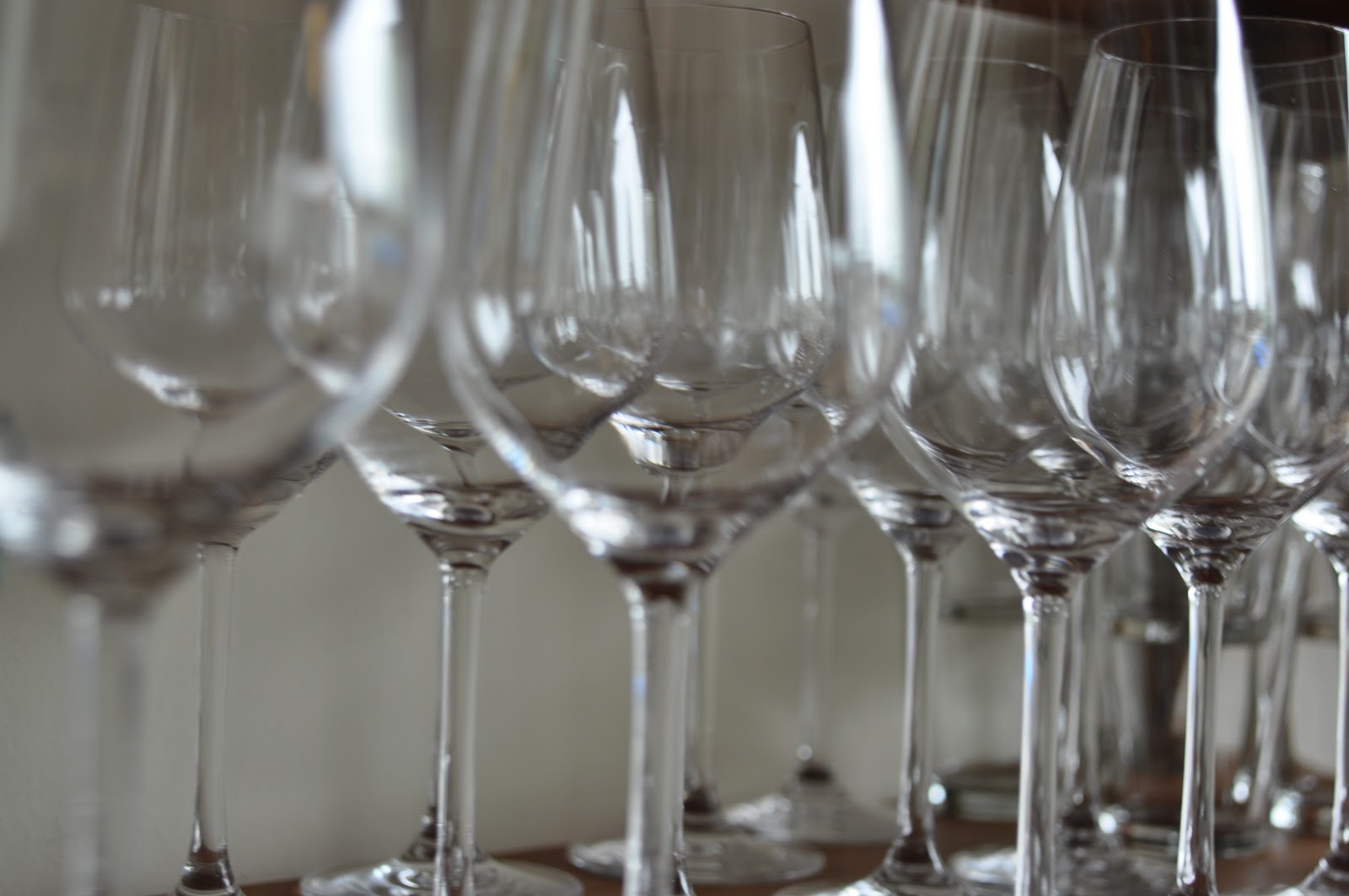
Today they came together during a four hour Food Photography Class at Pantry at Delancey.  The class, taught by Ashley, of the Not Without Salt cooking blog and her professional photographer husband Gabe Rodriguez.  This was exactly what I was looking for: something to help me learn a little more about how to use my camera and what to consider in photographing food (ingredients, cooking process, plated meals).  We got some instructions and tips on the basics (white balance, depth of field, ISO settings, lighting, composition and styling).  Then we were turned loose in Delancey's where some still lifes had been set up in front of the natural light from the window and two full artificial lighting set ups were waiting for us.  We also had free range of the classroom in the pantry where the decor offered many vignettes to practice with. 


I have so much to learn.  I wanted to shoot hundreds of shots while playing around with each of the topics covered.  I do best when I set things up and then just re-shoot the same shot adjusting the variable until I land on what is pleasing before bringing in the next element to play around with.  Alas, there was only so much time and there was too much to cover all at one session.  I chose to mostly focus on playing around with depth of field though tried to think about and play around with some of the other topics. 


After our hands-on time we gathered again in the classroom where we were served a delicious vegetable soup with hearty bread and buttery olive oil in which to dip it and an assortment of cured meats.  Also on the table were Sicilian olives which had been marinated in a wonderful Moroccan style with preserved lemons and cinnamon and maybe some fennel seeds.  (Will be writing Delancey's to see if they will share this recipe.  It was really unique and delicious.)  Sliced fresh pears and apples finished up the meal.  This was all served with a nice glass of red wine.  While we dined and sipped Ashley and Gabe went through some of the photos taken by brave students that were willing to share.  There were some very nicely done shots. 

In this post are some of my better shots.  None of have been post processed.  There's a whole nother world to dealing with the shots to further improve through application of software tricks.  You may see some of these again, down the line, cropped, sharpened, warmed up or some other adjustments.  I have so much to learn.  But for now, this is my show and tell.  I'm showing you I learned something.  I'm telling you this was a great class.  If you are interested in learning how to improve your food photography I highly recommend you look for a future offering.


Friday, January 27, 2012

Return of the Prodigal Daughter

Last night, once the chaos of greeting and hugging arrivals was done, wine glasses filled and plates dished up,I stood back and took it in.  I watched this eclectic collection of wonderful women gathered in my cottage; soaked in the laughter and chatter; witnessed the comforting through things going or gone wrong and felt fully blessed.  This is my Dinner Club.  Part of my Tribe.  This is my homecoming.

It must be now about seven years since our first dinner.  I showed up not knowing anyone in the initial group.  Coming with reservations (not the kind holding a table) to a meal in the apartment of a woman I did not know.  I had signed up (with huge angst I tell you) to attend this gathering to discuss potential for a follow up "support group" for women that had completed the Divorce Recovery Workshop hosted by my church.  Actually, it wasn't "my church" at that time.  Just a local church that hosted this program: this program that I had signed up for also with extreme angst and embarrassment but turned out to be a step in the right healing direction.

So I came to the flat of a stranger, weary from work and nervously on edge, to check out what might turn out to be either an agonizingly long evening, for which I already had a fake excuse for escape cooked up, just in case, or the beginning of something that could help me through this life journey's detour I was on.  It was an oddly matched group of women.  That night there were probably seven or eight women in attendance.  (Two added later were by my invite as women who had attended my same small break out group from the workshop.  Another, no longer part of the group, was a real nut job.  'nuff said.  Though I'll probably say more 'cause she was really something to write about.)

Last night, as I was doing that stepped back observation, I had the thought that this group is such a wonderful fluke.  My path probably wouldn't have crossed with most, or maybe any, of these delightful women, without the Divine intervention of that Recovery Workshop and the action of one attending who felt called to propose some form of fellowship in the aftermath. I wouldn't be part of it if I hadn't stared down fear in its ugly face and took the risk to show up. 

My unease on that first evening was greatly reduced when somebody brought out a bottle of wine (not because I needed wine (well maybe I did) but more because this was a group built on a church sponsored program and I assumed it would be some sort of intense Bible study or something).  My commitment was sealed on the discussion around what kind of group do we want to be and what shall we call ourselves.  "Please don't call it a 'recovery group'" someone said.  ("Yes!" my heart sang).  And then we all laughed when the organizer in all innocent honesty said "besides we might want to continue to meet through the year and we'll be through the recovery process by six months."  After more discussion and a second small glass of wine we hit on "The Dinner Club."  We'd be meeting on a weeknight evening so dinner would probably be involved.  Those of us living in homes that could accommodate the group would take turns hosting. (Many were still on uncertain financial ground and eating out regularly seemed like a frightening fantasy) Then would it be potluck, rotating meal makers, take out, what?  The table was filled mostly with deli containers and other store bought prepared food by those of us who grabbed something on the way over from work.  But, unbeknown to us at the time, we had a Chef amongst us.  When we popped that fork full of moist pork tenderloin into our mouths and bit into that perfectly oven roasted green bean that the Chef had prepared all other food was forgotten.  The wine took on whole new wonderful taste characteristics.  The Chef, who loved to cook food and loved to have people love her food, agreed to be the food preparer for future Club meetings.  The rest of us would pay her a fee that covered her costs and a little of the labor involved and take turns hosting.  Sometimes we do more potluck style, but mostly it is the Chef's creations we enjoy. It has been a perfect arrangement.

Since then we've been meeting regularly.  Bi-weekly at first.  Then monthly if possible.  We've been through a lot together since that first meeting.  All divorces were eventually finalized.  Children launched (though one still has a son at home).  Lost a few parents and beloved pets.  Some ventured back out into the dating world.  Some have remarried.  Some of those marriages didn't work out.  Some completed advanced degrees and started new careers.  Others lost established careers.  We've been through a lot together.  An observer, if any were allowed, would hear lots and lots of laughter, see a few tears, see genuine connection and hear wonderful wisdom shared.  Most of these women I don't see outside of dinner club.  I hang with a few though "outside club." 

Our cast of characters includes:
  • The Chef
  • The Nurse
  • The Event Planner
  • The Nursing Home Dietitian
  • The Technical Editor
  • The Therapist/Teacher
  • The Real Estate Agent
  • The Retired Army Nurse
  • and me, The Transportation Planner wannabe Writer
  • (and the Whacked out Nut Job who got herself excused from the table)
The Dinner Club only met a few times while I was assigned overseas.  Twice they set up a computer and I Skyped in on their dinner, with my morning latte in hand on the other side of the world.  A third time they thought they were Skyping me in but I was able to surprise them in person due to an unplanned trip home.  It was a sweet reunion.  Last night, as we met in my home, I felt like a returning Prodigal Son.  Or daughter I guess.  I had moved away from this group.  I was in very little contact with any of them.  While over there I felt a little abandoned in my very small world as I realized their lives had moved on without me.  And truthfully it was me who had moved out of theirs.  So the "homecoming" last night, in my home with my Tribe was just what I needed.  What we needed.  And I look forward to the next meal we will share.

Tuesday, January 17, 2012

My Favorite Cookie Recipe: Chewey Molasses Cookies


The impending snowfall brings out the cooking fever in me.  I only hope my son is able to make it home so I have help eating these!  I plan on sending him to work tomorrow with treats for the staff.  That's not over the top for an intern is it?  They keep nicely for several days in an airtight container.  But I need to get them out of the house.  I love them too much.

These cookies are based on a recipe from  The Silver Palate Cookbook, (Julie Rosso & Sheila Lukins). Judy brought them to Chelan one spring many, many years ago and I've been making them ever since.  Always when it snows.  I've adapted the recipe the way I do: mostly with shortcuts that reduce the amount of dishes used (and therefore need to be cleaned up afterwards).  They come out perfectly round and chewey/crispy: just right.  Like a chewey ginger snap. 

A few tips: the dough is quite moist.  Probably because it's made with melted butter.  It's important not to make the spoonfulls too full and to leave lots of room between them as they spread.  You cook them directly on foil.  This is important.  Don't take a shortcut.  Let them cool on the foil (I think they finish cooking up and firming on that and they are easy to pull off when they are done).

Chewey Molasses Cookies

Preheat oven to 350-degrees, with oven rack in the middle of the box.


Melt:
  • 12 Tablespoons (1.5 sticks) butter
In a mixing bowl, put the butter and add:
  • 1 cup granulated sugar
  • 1/4 cup molasses
Beat together until butter is cooled.  Add:
  • 1 large egg
Leave the mixer running while you get out the dry ingrediants.  While the mixer is running add the following in this order, blending thoroughly between each addition:
  • 1/2 teaspoon ground cloves
  • 1/2 teaspoon ground ginger
  • 1 teaspoon ground cinnamon
  • 1/2 teaspoon salt
  • 1 cup flour
  • 1/2 taspoon baking soda
  • 3/4 cup more flour
Scrape down the sides of the bowl with a spatula.  Not your finger.  But taste it if you want.  It's gooooood!  The dough will be very moist. This is the way it should be.  Don't worry.  It all works.


Line a cookie sheet with foil.  Drop by a tablespoon onto foil leaving about three inches in between.  You should only be able to get about ten on each sheet.

 I use a small food scoop wich helps make the sizes consistent.


Cook for eight to ten minutes in center of heated oven.  When the first batch is cooking, step outside and breath in the fresh cold air.  Watch the birds and note the storm moving closer. 

In the meantime, the cookies will flatten out.  You are looking for the edges to just start darkening at which point you take them out.  The rest of the cookie will still look lighter colored and fluffy.

 In my oven each batch takes exactly nine minutes.  They will finish cooking on the foil when you take them out.  Pull the cookies on the foil off the sheet and put a new sheet of foil on.  Fill another sheet.  When the second batch is cooking make yourself a latte.  You deserve it.  Take one of the freshly baked cookies and dunk it in your latte.  There will be a party in your mouth.  You will declare this a favorite recipe.  I am sure of it.

When the third batch is cooking check Facebook and your email.  Something important may have happened.  When the fourth and final batch is cooking wash up all the dishes.  You will have just enough time.  And the cookie sheet won't need to be washed because the cookies were cooked on the foil.  It's a great deal.  You will be so glad the dishes are washed when you are done.  You can leave the kitchen or start on dinner.  Depends how domestic you are feeling and how deserving your family is.  When the foil has cooled you can peel the cooked cookies off.  This recipe made 42 cookies, each about 2.5 inches accross.  Store in airtight container.  Buon Appetito!

FYI, the yellow dessert plates were a gift from my father.  He picked them up in Provence, France for me several years ago.  I had seen an article in Gourmet Magazine about colorful dessert plates from Provence and sent him with the request to find something I'd like.  I think he did really well.  I love using them.

Crock Pot Lasagna: My Way


After spending the last two winters in the Middle East I am very happy to be back into winter crockpot cooking mode.  Having all the necessary staples in my cupboard and freezer I decided to tackle crockpot lasagna.  I figured out the general technique by internet research and then assembled according to my previous lasagna experience.  This is American style lasagna with a tomato base sauce (not Italian style made with bechamel sauce). It turned out fabulous.  It made enough to feed two of us for dinner and then a work crew of two for lunch the following two days.  As usual, the leftovers were every bit as good as, maybe even better than, the original.  Buon appetito!

Crock Pot Lasagna

  • 1 lb sausage (or lean ground beef seasoned librerally with garlic)
  • 1 large yellow onion, finely chopped
  • 1 large can crushed tomatoes
  • assorted dried Italian herbs (basil, oregano, parsley, whatever you like)
  • 2 cups fresh ricotta (you can also use cottage cheese if you don't have ricotta)
  • 2 cups shredded mozarella (reserving 1/2 cup for top)
  • Fresh parsley, if you have it
  • uncooked lasagna noodles or dry pasta sheets
  • 1/2 cup grated parmesan or romano cheese
  • Olive oil for coating inside of crock
  • A tastey red wine.  I'm partial to a Chianti or Cabernet for this meal.
If it's after noon, pour yourself a glass of red wine.  Take a sip.  This helps with your seasoning tasting and generally puts you in an Italian mood.  If you are throwing this together before leaving for work I recommend skipping the wine at this stage.  You can make up for that later.  After work.  After work you might need it more!

Brown sausage (or ground beef) with chopped onion until meat is cooked through and onions are soft.  Drain the grease off.  Add crushed tomatoes and Italian herbs, seasoning to taste.  Take another sip of the wine and taste again.  You'll know when you have it right.  Remove from heat. 

In a separate bowl, combine ricotta (or cottage cheese) with one-and-a-half cups grated mozarella (you've set 1/2 cup aside for later).  If you have fresh parsley, throw in a few tablespoons chopped.

Spray bottom and half way up side of crock pot with olive oil (if you don't have a Misto Olive Oil sprayer get yourself one.  You deserve it.)

Spread 1/3 of meat mixture in bottom of crock.  Layer with 1/3 cheese mixture on top (the cheese mixture isn't easy to spread.  I suggest, with clean heands, pinch out some and flatten with hands and lay on top of the meat.  Break lasagna noodles to fit over the top.  Try to get a single layer though it's fine to overlap the edges a bit.  I have pasta sheets that I use that lay flatter than the strip noodles but either would work fine.  Repeat these three layers two more times, ending with a pasta layer.  Scatter the 1/2 cup mozzarella and paremsan (or Romano) over the top. 

Now you can turn the crock pot onto low setting.  Cook a minimum of four hours.  Longer is fine.  The house will smell delicious which is one of the best things about crock pot cooking, in my humble opinion.  Serve with hearty bread, a green salad and that red wine.

Let me know how it turned out.

OK, so I wasn't thinking about posting this or I would have taken a better picture.  And more pictures during assembly.  If you make this send me some pictures.  Thanks.


Friday, January 6, 2012

An Ikea Moment: It's a Fantasy Suite Life


I took a break from powering through Ikea (I really love/hate that store…or is it “love to hate" that store…or "hate to love" that store?) and glided into the 320 square foot demo living space.  Here, within six temporary walls was a beautifully coordinated compact space.  In pristine colors of sea foam blue, black and white, with polished silver accents, was a space one could live in containing everything you’d need to live a beautiful life. (I do realize that in parts of the world there are families of eight living in the same space with even less stuff, but that is not what my fantasy was about.)  The daybed’s daytime job of becoming a couch pulled it off under a toile façade (and I do like my toile).  Small scale furniture, most with dual purposes (like surfaces and storage) and built in storage taking advantage of every inch of wall space allowed enough extra room for me to imagine arriving home and waltzing with a cat at the end of a work day (if you know me you know this is truly a fantasy as I would no more waltz with a cat than choose to hang out at an Ikea just for fun).

 I took my time wandering through that little space, soaking in the fancy fold down drying rack, the convertible table with just one of its two fold down leaves extended.  I pulled out the little drawers of said table and saw that my chopsticks and spaghetti noodles could fit into those drawers if needed.  I opened the closet door in that back hallway of a room and figured out how limited my wardrobe would be in that space.  I imagined only my little black dress, a black blouse or two, a pair of black pants and a sea foam blue cardigan nicely filling up that space.  I looked around and determined I could dress in this space without anyone seeing me from the imaginary flats facing the imaginary windows that exposed the rest of the space.  Yes, I could balance on my black stiletto heeled boots and pull on black tights in this close space.  After all the walls would easily prop me up on either side. 

The bathroom was genius in space use: a full sized sink had a polished silver little tray suspended over it to rest my white soap and black toothbrush on.  Built in cubbies around the mirror displayed pots with plastic green plants (the green a slight hue of sea foam blue): there was plenty of space for such luxuries as decor.  My M.A.C. makeup would have to go behind the closed cupboards, except for the face lotion in its black and white label that could live openly in the black and white world.  Wait, the eye shadow compacts in their brushed silver containers and my black applicator brushes could also live openly on the shelves.  My life could be accommodated.  I spent a good five minutes or more in that space, imagining a simple, yet color coordinated life.  It all seemed so attractive and doable. 

I began thinking of a scenario of something similar to a favorite childhood story: From the Mixed-Up Files of Mrs. Basil E. Frankweiler in which eleven year old Claudia Winkler runs away from home but decides to go somewhere comfortable so chooses the Metropolitan Museum of Art in which to escape.  Like Claudia, I become quite comfortable in the display bed.  I think of Novalee Nation in Home is Where the Heart Is who makes her home in a Wal-Mart after being abandoned by her boyfriend as she nears delivery of their child.  I like the idea of living a second life, in a fully public area, having the place to myself at night.  I’d end up decorating the store at night like Buddy in Elf and singing “Baby it’s Cold Outside” in the shower.  In the fantasy I have a beautiful singing voice.

Back in Ikea, I come back to earth and force myself to leave the fantasy suite.  A couple with whining child has wandered into my compact fantasy life and shattered my reverie.  I am plucked from the serene spaces of my mind into the confusing and aggravating maze that is Ikea to find more stuff to put into my “little" cottage, none of it which is black, white or sea foam blue.  I get pissy with the clerk who tells me that I can’t order anything off the Internet or call in an order in a few days when I will be ready for delivery of my temporary couch (I’m in the market for new living room furniture and have come to Ikea for the standard plain converter hide abed that will suffice until I can figure out what I really want).  I snap back at the clerk who rudely shuts me down when I inquire if I can unload my basket to the belt while she runs a price check for the couple ahead of me.  I roll my eyes at being forced to buy an awkward shopping bag made of blue tarp because they no longer provide bags of any size to customers.  I hate this place.  But I love my simple life in the 320 square feet of a simply beautiful life.  When I come back to order my couch I will build in some time to spend in that suite and maybe check out the security system to see if I could move in there.  And then I will remember it is in Ikea, its own little hell, and return happily, with couch to my relatively huge cottage and all my un-color coordinated stuff. 

Monday, December 12, 2011

My Mother's Hands

“Your hands are like your mother’s” he says.  This man who adored my mother, who has missed her every day for the last almost nineteen years since she left this earth, says this to me and I know it is my father’s awkward way of telling me that he adores me too. 

 My hands are like my mother's.  I remember the first time I looked down at them and saw my mother’s hands at the ends of my arms.  It took my breath away.  She was there, right in front of me.  Right on me.  But she wasn’t.  It was disorienting.  Sometimes it still catches me by surprise as a sweet reminder of who’s I am.  Today I have acrylic French nails on them, something my mother never had, and something I probably won’t have for long after I return to my home country.  But the hands, the size, the veins, the quality and quantity of the wrinkles: they are my mother’s. 

When you lose a beloved parent you fear you will never, ever be able to adjust to that void.  And then, before very long at all, you tell yourself you do not want to ever adjust to that void.  Because you fear that adjusting means forgetting and though the memories are meshed with the pain of loss, they are something to hang on to when you don’t want to let go.  Give me pain over void any day.  I cannot bear the weight of emptiness.

I got her hands.  This gift is there to surprise me on occasion as I look down at my working hands.  Nineteen years and I have not forgotten the squint of her eye nor the lines of her smile.  She was only seven years older than I am now when we lost her.  She fought back two times before: cheated death in her forties when breast cancer tried to claim her.  Postponed death in her mid-fifties when her heart failed her.  And then left at 59.  An angel, under whose wings and within whose hands I live.  An angel with my hands. 

Thursday, November 10, 2011

Dance Dance Dance

The night we first noticed each other you walked me home from a crowded party.  We saw lights on in the field house and followed the sound of a square dance caller.  Old couples (old like the age I am now or so) swirled around us.  We laughed and dosi-doed.  Neither of us were dancers alone.  Together we were.  We were good.  We knew nothing.  The thought crossed my mind we might be together at the age of those square dancing foggies in the swirly skirts and bolo ties.


We danced so well together. Under the stars in the small apple orchard at the edge of campus. In-A-Gadda-Da-Vida thumping from your truck speakers as the stars spun above us. We were a center of a universe. Who can dance to In-A-Gadda-Da-Vida? We could. And very well.

Later that summer I brought you to the family cabin up north.  In a tavern in the woods we joined our friends on the beer stuck floor.  Oblivious to our dancing inadequacies we clicked.  On a plane parallel to that beer stuck floor we moved instinctively like real dancers.  You led.  I followed.  You tossed.  I was caught.  There was no-one else on that floor.  It didn't even surprise us when we were one of three couples selected for the dance off. 

The magic was broken in that dance-off as self consciously we tried to recreate what we did so easily moments before.  You turned into a dork: clicking your heels and shimmying.  I could only find a two-step shuffle.  We took third.  We enjoyed that prize case of Schmit beer cans with pheasants as the label.  We never danced like that again.

A year later we were with other partners.  You lost yours tragically the following summer.  I lost mine tragically over the next twenty-five years.  But I'm dancing again and I thank you for a memory of what it's like to share a good dance and know it's possible to move as one in some universe somewhere.

Tuesday, October 25, 2011

Not "Nakusa" (Unwanted)

The more I know of this world the more grateful I am for who I am: specifically for which country I was born in and to which parents I was born.  I never got around to finishing and posting my draft of “be thankful you are not an (East) Indian brother.”  It related recent interactions I have had with young East Indian males who are organizing their lives around the large donations and sacrifices they must make to their families in order to wed off their sisters.  Wedding off a sister requires the family to fork over many years worth of salaries to pay for the lengthy, ornate ceremonies (clothes, jewels, priests, musicians, rental of community hall, meals for all the guests, paying off the roaming transvestites who visit the ceremony and demand payment in lieu of disruption, a dowry). 

It is interesting to hear this side of the story after having the grand honor of attending a Hindi wedding in Delhi last fall, as a guest of the bride’s family.  It seemed at the time an extensive investment for the observable lack of wealth of her family.  Yet I so enjoyed every aspect of the wedding and the ceremonies leading up to the wedding itself that I did not dwell on that inconsistency too much at the time. What a unique cultural opportunity to spend the days before the wedding in the bride’s family’s modest two room apartment, bathing the bride in turmeric, getting our wrists banded in red twine by the local priestess, dancing for ceremonial money offerings from the uncles, cooking flat bread with the aunts on the two burner hot plate that was the kitchen, receiving toothless grins from the matriarchal grandmother on the living room couch.  Blissfully naive of the financial setback the traditions in progress were creating.

 I work with a young man who had to borrow large sums of money to front even larger loans required to pay for his sister’s wedding.  Another young Indian male I recently met noted that when he told his father of a trip he wanted to take his father said “you shouldn’t be wasting your money on such things but instead be saving it for your sister’s wedding.” 

 Just when I was thinking how sad it must be to be born an East Indian boy I read here about a girl’s renaming ceremony in India.  In a school ceremony almost three hundred girls who had been given the name “Nakusa” (or variations thereof) at birth got to change their name.  Nakusa means “unwanted” in Hindi.  Can you imagine growing up being called to your face “Unwanted.” [Please just pause and think about that: almost three hundred girls in one school sharing the same name and the name they share is "unwanted."]   I am guessing that part of the unwantedness comes from the future burden of having to pay to marry you off.  It is the daughters of families that have too many daughters and not enough access to cash to pay for their weddings that end up being sold into child labor, the sex trade or matched pre-pubescently with dirty old men. 

 Many of us name ourselves Nakusa in our heads from time to time.  Imagine being given that name for others to call you as well.  The same article talks about the discrepancies in Indian population where, as the result of abortions of female fetuses, or sheer neglect of baby girls, the population numbers tip to the male side.   Something about that level of social engineering scares the begeezus out of me. 

 In this highly multi-cultural setting I live in I interact with families from so many cultures, even if at a very superficial level.  In Lulu’s grocery store the little girls are usually dressed in pretty dresses, their hair cut in yummy thick bobs, with a small tilak (like a bindi) in the middle of their forehead.  The fathers usually patient and adoring in their interactions.  Nothing looks Nakusa about the child.  In Hindi, the tilak symbolizes the third eye, or mind’s eye representing spiritual enlightenment.  It makes me sad to think about what that enlightenment will tell them when they are old enough to understand how their culture has declared so many unwanted.  “Nakusa.”  I don’t get it.

Friday, October 14, 2011

Next Chapter

Funny how your whole perspective on a place changes when you realize you can't take it for granted anymore.  The end of my long-term Abu Dhabi assignment is in reach.  I'll be returning home in 58 days.  Not that I'm counting or anything. (Post edit: um, guess it's more like 68 days.  I got ahead of myself)  My step is lighter, my mood has lifted.  I sing in the shower again (quietly of course).  And I am more purposeful about actually doing things than thinking "someday I should.,,."  I really hold out hope that I will get to come back for some shorter term assignments down the road: I have great friends here; know how to get around; understand how to cope with hot weather, and; am (finally) over the culture shock of living in this country. 

It's hard to imagine getting settled back into my home, with my friends and family nearer.  Having my dog back by my side.  And Buttercup to take me places.  As hard as the relocation has been, it has provided me with incredible opportunities to travel and put some wonderful new people in my life.  Arriving in a new life kicks the shit out of you as you have to relearn how to do everything and surrender to the unfamiliar.  Separated from friends and family by space and time (in A.D. we are 11 hours ahead and have different weekend days as well) forced me to deal with myself and God more directly.  That's not all a bad thing. 

Tonight we are having friends and co-workers over for a game night.  Melissa is whipping up good smelling things in the kitchen.  I am making appointments for pedicures and trying to decide on the timing of my nap and shower :)   It's a slow pace here with no garden to tend, no house cleaning or home repairs to do.  No blocks of time set aside for a hike or bike ride as during the day it is still too hot to do aerobic adventuring outdoors.  I know when I return there will be a part of me that will miss this lifestyle too.  Life's my novel and it's time to plan the next chapter.